
Key Takeaways
-
Yes, dogs get cold. Many dogs begin to feel uncomfortable below 45°F (7°C), and risk increases rapidly below 32°F (0°C).
-
Size, coat type, age, and health matter more than the thermometer alone.
-
Wind, wet fur, snow, and ice can make conditions far more dangerous than the air temperature suggests.
-
Paws are often the first point of injury due to salt, ice, and frozen ground.
-
Small breeds (like Chihuahuas), puppies, and senior dogs are at the highest risk of hypothermia and frostbite.
-
Winter increases the risk of lost pets due to poor visibility, snow-covered scents, and fewer people outdoors.
-
Smart preparation, proper gear, and awareness of warning signs can make winter walks safe and enjoyable.
Why Cold Weather Is a Serious Risk for Dogs
Many pet owners ask: “Do dogs get cold?”
The answer is absolutely yes.
Dogs are mammals with a normal body temperature between 99.5–102.5°F (37.5–39.2°C). When exposed to cold for too long, they lose heat faster than they can generate it. This can lead to:
-
Hypothermia (dangerous drop in core temperature)
-
Frostbite (tissue freezing, especially paws, ears, tail)
-
Paw burns from de-icing salt and chemicals
-
Increased risk of getting lost during winter walks
Even thick fur is not reliable protection when wind, moisture, or ice are involved.
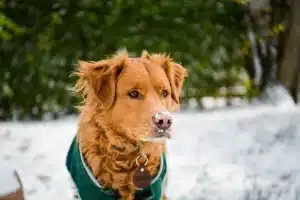
A dog in cold weather
How Cold Is Too Cold for Dogs? (Temperature Risk Chart)
Many owners search:
“How cold is too cold for dogs?” or
“How cold is too cold to walk a dog?”
Use this practical reference:
| Temperature | Risk Level | What It Means for Your Dog |
|---|---|---|
| Above 45°F / 7°C | Low | Comfortable for most dogs |
| 32–45°F / 0–7°C | Mild Risk | Small, short-haired, or senior dogs may need protection |
| 20–32°F / -7–0°C | Moderate Risk | Limit walk time; coat recommended |
| 10–20°F / -12– -7°C | High Risk | Short potty breaks only; booties & coat essential |
| Below 10°F / -12°C | Severe Risk | Frostbite & hypothermia possible in minutes |
Wind chill, wet fur, and snow can make 32°F feel like 10°F to your dog.
Which Dogs Are Most Vulnerable to Cold?
Certain dogs feel the cold much faster:
| High-Risk Dogs | Why |
|---|---|
| Chihuahuas, Greyhounds, Dachshunds | Thin coat, low body fat |
| Puppies & senior dogs | Poor temperature regulation |
| Dogs with arthritis or heart disease | Cold worsens pain and circulation |
| Small breeds | Lose body heat rapidly |
| Recently groomed dogs | Reduced insulation |
This is why people ask: “Can Chihuahuas die in the cold?”
Unfortunately, yes — small, short-haired breeds are highly susceptible to hypothermia if exposed too long.
Signs Your Dog Is Too Cold
Watch behavior, not just temperature.
Early Warning Signs
-
Shivering or trembling
-
Lifting paws off the ground
-
Walking slower than usual
-
Whining or seeking shelter
-
Tucked tail, hunched posture
Emergency Signs (Go Indoors Immediately)
-
Extreme lethargy
-
Pale gums or skin
-
Confusion
-
Slow breathing or heart rate
Frostbite and Hypothermia: What to Know
| Condition | Common Areas | Signs |
|---|---|---|
| Frostbite | Paws, ears, tail | Pale, cold skin, swelling, pain later |
| Hypothermia | Whole body | Weakness, shivering stops, collapse |
If suspected, warm gradually (blankets, body heat) and contact a vet.
Paw Care: The Most Overlooked Winter Danger
Ice and sidewalks are often more dangerous than the air.
Hazards
-
De-icing salt burns paw pads
-
Ice cuts skin
-
Snow packs between toes
-
Antifreeze spills are highly toxic if licked
Prevention
-
Dog booties
-
Paw balm before walks
-
Rinse and dry paws after every walk
Safe Winter Walk Strategy
If you’re wondering, “Is it too cold to take my pet dog outside?”, follow this checklist:
-
Walk during the warmest part of the day
-
Keep walks short and purposeful
-
Use a coat for short-haired or small dogs
-
Use booties or paw protection
-
Dry your dog completely when back indoors
Indoor Alternatives When It’s Too Cold
When temperatures drop below safe levels, replace outdoor walks with:
-
Indoor fetch or tug games
-
Food puzzle toys
-
Short training sessions
-
Mental stimulation activities
For humane indoor training ideas that don’t rely on harsh methods, see this guide on shock-free dog training and modern GPS safety technology.
What Temperature Is OK for Dogs to Sleep Outside?
In general:
Below 45°F (7°C), most household dogs should not sleep outside.
Even double-coated breeds require insulated shelter, dry bedding, and wind protection. Family pets accustomed to indoor living should always sleep indoors during winter.
Winter Increases the Risk of Lost Dogs
Snow, early darkness, and fewer people outdoors mean:
-
Scent trails disappear
-
Visibility drops
-
Dogs spook more easily in icy conditions
This is where real-time GPS tracking becomes a safety tool, not a gadget.
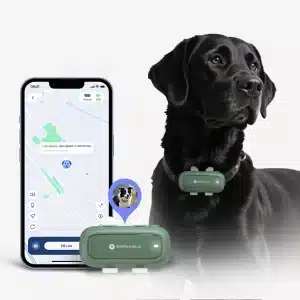
A dog with p2 GPS tracker
Some pet owners use devices like the P5 4G dog GPS tracker for reliable outdoor positioning during winter hikes, while others prefer the P2 smart GPS tracker with health monitoring to watch both activity levels and location when cold weather limits outdoor time.
If you’re unsure what actually works when a dog goes missing, this comparison explains it clearly:
👉 Tile, AirTag, or GPS tracker — what actually works?
Extra Care for Outdoor & Stray Cats in Winter
If you also care for community cats, this detailed guide on outdoor cat winter shelters and cold weather care provides practical help.
Winter Visibility and Tracking
Shorter days mean darker walks. Reflective collars help, but location awareness is even more important in poor visibility.
A fun way to imagine this is explored here:
👉 What if Zootopia residents used real-world 4G pet GPS trackers?
Final Rule to Remember
If it feels too cold for you, it’s probably too cold for your dog.
Watch your dog’s behavior. Use protective gear. Shorten walks. Protect paws. And be extra cautious about visibility and location during winter outings.
Cold weather doesn’t have to be dangerous — but it does require awareness and preparation.