
Electronic Logging Devices (ELDs) have become a foundational technology in modern trucking and fleet operations. Beyond regulatory compliance, ELD systems now serve as data-rich tools that support safety, operational efficiency, and smarter decision-making across geographically distributed fleets.
This guide explains what an ELD is, how electronic logging devices for trucks work, what the ELD requirements are, and how fleets can integrate ELDs into a broader GPS tracking and compliance strategy—without overcomplicating operations or adding unnecessary cost.
1. What Is an ELD?
1.1 ELD Meaning in Trucking
An ELD (Electronic Logging Device) is a federally regulated electronic system that automatically records a driver’s Hours of Service (HOS). In practical terms, it replaces paper logbooks and manual electronic logs with tamper-resistant electronic driver logs.
If you’re asking what does ELD stand for or what is an electronic logging device, the simplest definition is:
An ELD is a hardware-and-software solution that synchronizes with a vehicle’s engine to create accurate, time-stamped electronic logs of driving activity.
These records—often referred to as ELD logs, e logs, or electronic log books—are designed to ensure compliance with federal safety regulations while reducing administrative burden for drivers and fleet managers.
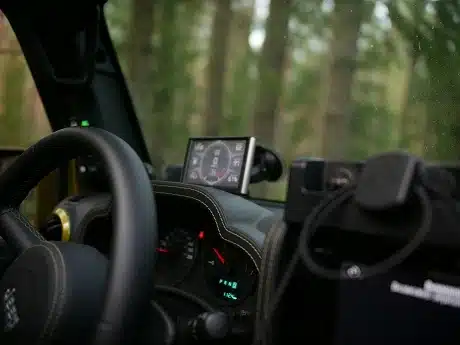
Electronic Logging Device
2. Why ELDs Exist: Safety, Compliance, and Accountability
2.1 From Paper Logbooks to Electronic Logging
Traditional logbooks relied on manual entry, which made them vulnerable to:
- Inaccurate timekeeping
- Intentional or unintentional falsification
- Inconsistent enforcement across regions
ELDs were introduced to create a standardized, automated, and auditable logging system that improves road safety by reducing driver fatigue and enforcing uniform compliance.
2.2 Regulatory Context: FMCSA and ELD Compliance
In the United States, ELD compliance is governed by the Federal Motor Carrier Safety Regulations (FMCSRs). These regulations define:
- Who must use ELD devices for trucks
- What data must be recorded
- How electronic logs are transferred during inspections
For a deeper understanding of the regulatory framework, see this practical guide to FMCSA rules and real-world compliance:
Federal Motor Carrier Safety Regulations (FMCSR): Meaning, Scope, and Practical Compliance Guide
3. How Electronic Logging Devices Work
3.1 Core System Components
A typical ELD electronic logging device consists of:
| Component | Function |
|---|---|
| Vehicle Interface | Connects to the engine (OBD or ECM) |
| Driver Interface | Mobile app or in-cab display |
| Backend System | Stores, processes, and visualizes log data |
When the vehicle moves, the ELD log device automatically switches the driver’s status to Driving, removing the need for manual input.
3.2 Data Captured by ELD Systems
Most ELD systems record:
- Driving time and duty status

- Engine hours and vehicle miles
- Date, time, and geographic location
- Driver identification
When combined with GPS tracking, this data becomes far more actionable, enabling real-time visibility across regions and routes.
4. ELDs and GPS Tracking: A Natural Integration
4.1 Beyond Compliance: Operational Intelligence
While ELDs are often viewed purely as compliance tools, their real value emerges when paired with a GPS tracking system. Integrated platforms allow fleets to:
- Visualize vehicle location alongside ELD logs
- Detect inefficiencies tied to geography or route planning
- Improve dispatch coordination and response time
A modern GPS-based fleet platform—such as a centralized GPS tracking system—can complement ELD data by adding spatial context and historical playback, especially for multi-state or cross-border operations.
Learn more about how GPS-based systems support fleet visibility here:
https://www.seeworldgps.com/gps-tracking-system/
(Linked naturally as a system reference, not a standalone product pitch.)
5. Who Needs ELD Devices—and Who Is Exempt
5.1 Fleets and Vehicles That Require ELDs
In general, ELD devices for trucks are required for:
- Interstate commercial vehicles
- Drivers maintaining Records of Duty Status (RODS)
- Fleets subject to HOS regulations
This includes most long-haul trucking, logistics, and freight operations.
5.2 Common Exemptions
Certain operations may be exempt from using electronic logging devices, including:
- Short-haul drivers operating within a limited radius rules
- Vehicles manufactured before model year 2000
- Driveaway–towaway operations
Understanding exemptions is especially important for mixed fleets operating across different states or regulatory zones.
6. Key ELD Requirements You Should Know
6.1 Functional Requirements
To meet ELD requirements, a compliant system must:
- Automatically record driving time
- Prevent unauthorized data tampering
- Allow standardized data transfer during inspections
- Retain log data for required time periods
6.2 Inspection and Data Transfer Scenarios
During roadside inspections, drivers may need to share ELD electronic logs via:
- Wireless transfer (Bluetooth or cellular)
- USB or local display
Well-designed systems reduce inspection time and minimize disruption, especially in high-traffic enforcement regions.
7. Choosing the Right ELD Solution
7.1 What to Look for in ELD Providers
When evaluating ELD providers, fleets should prioritize:
- Ease of use for drivers
- Clear logbook eld interfaces
- Integration with GPS tracking and fleet systems
- Long-term scalability
For owner-operators, simplicity often matters more than advanced analytics, while large fleets may prioritize centralized reporting and multi-region visibility.
7.2 Best ELD for Trucks Is Context-Dependent
There is no single “best ELD for trucks.” The right choice depends on:
- Fleet size
- Geographic operating area
- Regulatory exposure
- Existing telematics infrastructure
A modular approach—where electronic logging integrates seamlessly with other fleet tools—often delivers better long-term value than standalone elog devices.
8. Regional Compliance Considerations
ELD data does not exist in isolation. In regions like California, fleets often face overlapping compliance requirements related to emissions, inspections, and vehicle usage.
For example, understanding how smog checks, operating regions, and vehicle classifications interact with fleet compliance can help avoid unexpected downtime. This California-focused guide provides helpful context:
California Smog Check Guide 2026: Smog Test Near Me, Costs Explained
9. The Future of ELDs in Trucking
9.1 From Electronic Logs to Data Platforms
ELDs are increasingly becoming data hubs rather than isolated compliance tools. Trends include:
- Deeper integration with GPS and telematics
- Predictive safety and maintenance insights
- Smarter, geography-aware routing decisions
9.2 ELDs as Part of a Connected Fleet Ecosystem
As regulations evolve and fleets operate across wider geographic areas, electronic logging devices for trucks will continue to play a central role—especially when combined with GPS-based fleet visibility and analytics.
10. Key Takeaways
- ELDs automate and standardize driver logbooks for compliance and safety
- Modern ELD systems deliver more value when integrated with GPS tracking
- Choosing the right ELD depends on fleet size, geography, and operational complexity
- A structured, compliance-first approach reduces risk while improving efficiency
Electronic logging devices are no longer just a regulatory requirement—they are a foundational layer of the modern, data-driven trucking operation.