When a cat disappears—whether it’s an outdoor cat that suddenly disappeared, or a usually cautious indoor–outdoor cat missing overnight—the experience can be emotional and chaotic. Many owners describe an odd quietness at home, a sense that their cat is missing you, and the overwhelming worry of not knowing where to begin searching.
Microchipping has long been promoted as a modern safeguard against permanent loss. And while microchips do dramatically improve the chances of reunion, there are still limitations that many owners only discover after their microchipped cat is lost.
This comprehensive guide brings together real-world cases, veterinary insights, and technology comparisons to help you understand:
-
How microchips work
-
Why microchips sometimes fail to bring a pet home
-
How to find a missing cat, especially a microchipped one
-
What to do immediately if your cat goes missing
-
The role of GPS pet trackers (including how non-intrusively SEEWORLD devices P2 and P5 can complement microchips)
1. What a Cat Microchip Actually Does (and Doesn’t Do)
A microchip is a permanent, passive ID tag implanted under your cat’s skin. It contains only a unique ID number—no GPS, no battery, no real-time tracking.
How it works:
-
A vet or shelter uses an RFID scanner.
-
The scanner activates the microchip.
-
The chip returns a number linked to your owner profile in the registry.
What it cannot do:
-
It cannot show where your cat is.
-
It cannot help you track movement.
-
It cannot alert you if your cat leaves home.
-
It only helps after someone physically finds and scans your cat.
This means that if your microchipped cat is lost, you are relying entirely on a stranger, shelter, or vet to scan the chip.
Related reading: Understanding how tracking technologies differ can help avoid common misconceptions. See:
Is AirTag Good for Cats? Pros, Cons & Safer GPS Tracker Alternatives
2. Why Microchips Still Matter: Evidence From Real Reunions
Despite limitations, microchips dramatically increase the chance of reunion—even in cases where animals are reunited with owners after years.
Real-world cases
-
A cat missing for months was returned after being scanned during a routine shelter intake.
-
Some rescues—like regional efforts such as black cat rescue Somerville—regularly reunite microchipped cats with families within hours.
Why microchips help
-
Collars fall off.
-
Tags fade or break.
-
A chipped cat has a permanent, tamper-proof ID.
Chart: Reunion Rates (Can be replaced with custom design)
3. The Limitations You Need to Know (Critical for Missing Cats)
While microchips improve odds, they do not replace active search efforts.
If your outdoor cat is missing or an indoor outdoor cat is missing, here’s what a microchip cannot solve:
3.1 Your cat must be physically found
If no one finds your cat—no scan happens.
This is why many owners search “how to find a microchipped cat” or “how to find a cat with a microchip,” but the truth is:
A microchip will not reveal location.
3.2 Registry information must be up to date
If your phone number or address is old, shelters can’t reach you.
3.3 Not all finders know to scan
Even though shelters routinely scan, civilians often don’t know they should bring a found cat to a vet.
3.4 Microchips don’t help with real-time emergencies
For example:
-
Cat chased by wildlife
-
Cat stuck or injured
-
Cat hiding after a fright (common for missing black cats at night)
In these scenarios, microchips provide zero situational awareness.
4. What To Do Immediately: Step-by-Step Guide
Whether your cat is microchipped or not, these are the most effective actions based on animal behavior research and lost-pet recovery statistics.
4.1 Start with the home and the surrounding spaces
Shy or frightened cats (especially black cats) hide silently in:
-
Garages
-
Under decks
-
Bushes
-
Sheds
-
Very close to home
4.2 Notify the registry
Search terms like how to report a microchipped cat missing are common for a reason.
Most registries let you flag your cat as “missing,” which alerts shelters and vets during scans.
4.3 Contact nearby shelters within a 60-mile radius
Cats can be transported unintentionally—inside cars, delivery trucks, or by people assuming the cat is stray.
4.4 Use community networks
Post on:
-
Local Facebook lost-pet groups
-
Nextdoor
-
Neighborhood chats
These groups often help owners find a missing cat within hours.
4.5 Follow evidence-based recovery methods
A deeper step-by-step strategy is outlined here:
Comprehensive guide to finding a lost dog
(Applies equally well to lost cats—especially scent and search strategies.)
Flowchart: What to Do If Your Cat Is Missing (Insert visual here)
5. How Microchipping and GPS Tracking Work Together
Even the best microchip system cannot help you locate a missing cat in real time.
This is where GPS technology changes the outcome—especially for:
-
Outdoor cats
-
Cats in high-risk environments
-
Cats prone to roaming
-
Nervous or easily spooked cats
To avoid sounding marketing-heavy, here’s the key idea:
A microchip is passive ID. A GPS tracker is active protection.
SEEWORLD P2 & P5 as Practical, Non-Obtrusive Complements
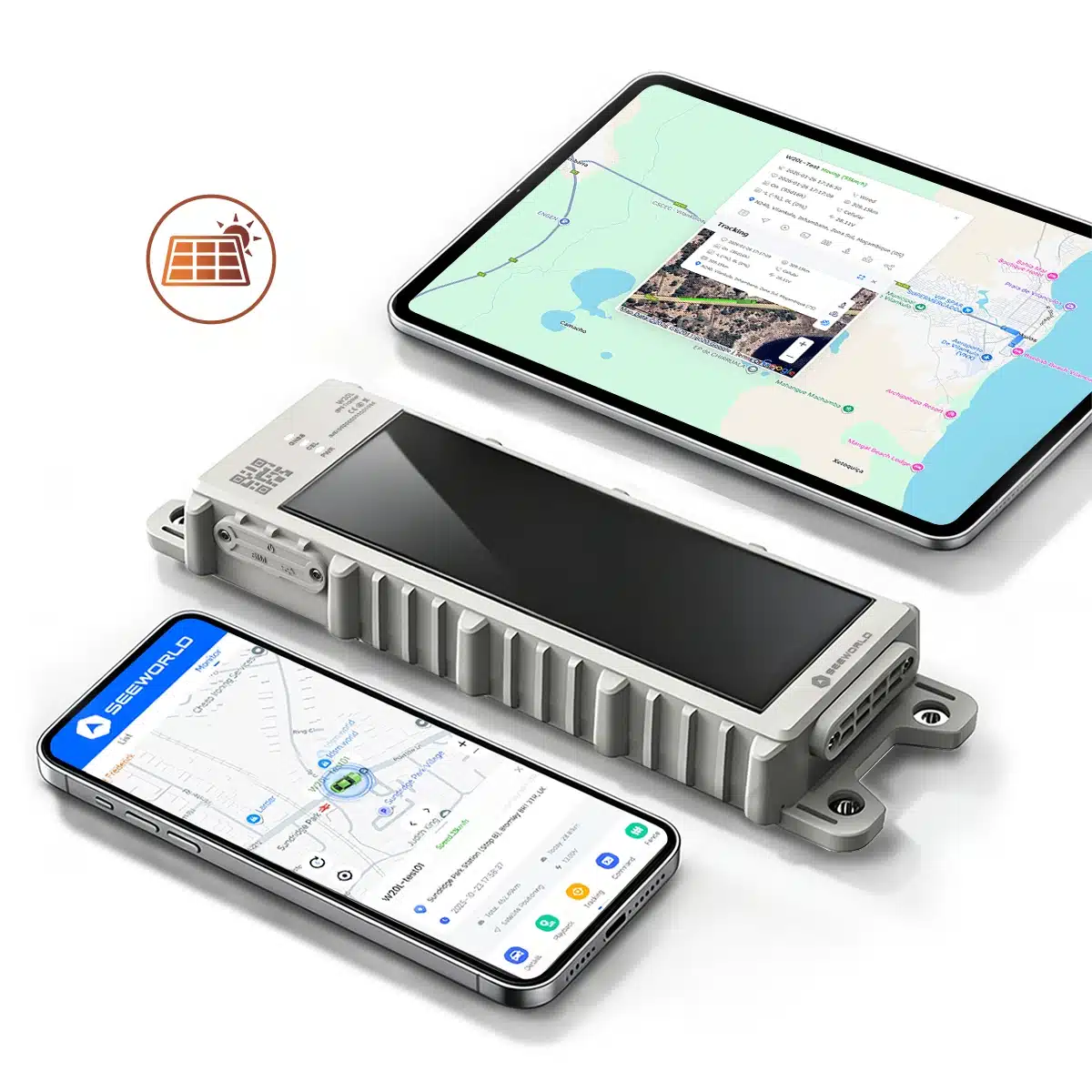
SEEWORLD’s P2 and P5 GPS pet trackers are designed for small pets, making them lightweight enough for cats while providing:
-
Real-time location
-
Geofencing alerts
-
Activity and safety monitoring
-
Coverage even if your cat is hiding or stuck
They are particularly useful in situations like:
-
The outdoor cat disappeared suddenly
-
Black cats that are hard to spot at night
-
Lost cat microchip, but no sightings
Because they don’t replace microchips, owners often use both tools for different purposes—ID + prevention.
Learn how GPS tracking works
If you want a deeper understanding of the technology behind cat tracking:
How do GPS dog trackers work?
(The same concepts apply to cats.)
6. How to Find a Microchipped Cat: A Clear Strategy
Many owners search “how to find a microchipped cat” because they assume the chip behaves like a GPS tracker.
Here’s a practical, realistic step-by-step approach:
6.1 Assume your cat is within 300 meters
Studies show most missing cats—especially timid ones—stay very close to where they were last seen.
6.2 Use scent familiarity
Items like:
-
Bedding
-
Litter
-
Clothing with your scent
…can help draw cats out.
6.3 Create a controlled safe return point
A quiet, familiar-smelling area encourages cats to come back.
6.4 Visit shelters daily
Microchips only work when scanned, so don’t rely on a one-time report.
6.5 If days pass with no sightings—expand search using tech
This is where GPS-based searching tools (like SEEWORLD’s P2/P5) offer coverage that microchips can’t.
7. Why Cats Go Missing & How to Prevent It
Cats go missing for predictable behavioral reasons:
-
Territorial disputes
-
Curiosity-driven roaming
-
Being accidentally locked in
-
Being picked up as “strays”
-
Surprise noises or predators
-
Navigation failure (especially for young or elderly cats)
For deeper insight into how animals navigate home, this guide is extremely helpful:
Can dogs really find their way home?
(Many principles overlap with feline orientation behavior.)
Prevention Strategies
-
Keep microchip info updated
-
Use a visible collar + tag
-
Add a GPS collar tracker
-
Maintain a safe outdoor routine
-
Secure exits during fireworks or storms
8. Microchips vs GPS: When Each One Helps (Comparison Table)
| Feature | Microchip | GPS Tracker (e.g., SEEWORLD P2 / P5) |
|---|---|---|
| Real-time location | ✘ | ✔ |
| Works anywhere | Only when scanned | Wide-area coverage |
| Battery needed | ✘ | ✔ |
| Helps reunite lost pets | Only if found & scanned | Yes—shows exact location |
| Prevents long-term disappearance | ✘ | ✔ |
| Best for | ID and ownership proof | Outdoor and escape-prone cats |
9. Final Takeaway: Microchips Are Essential, but Not Enough
A microchip can be life-changing—stories of animals reunited with owners after years prove that.
But microchips alone cannot help you locate a missing cat in real time.
The best protection combines:
-
A microchip (ID)
-
A collar tag (visibility)
-
A GPS tracker (prevention + real-time rescue)
Whether you live in a busy city, a suburban area, or a region with wildlife risks, this combination gives your cat the highest chance of returning home safely.