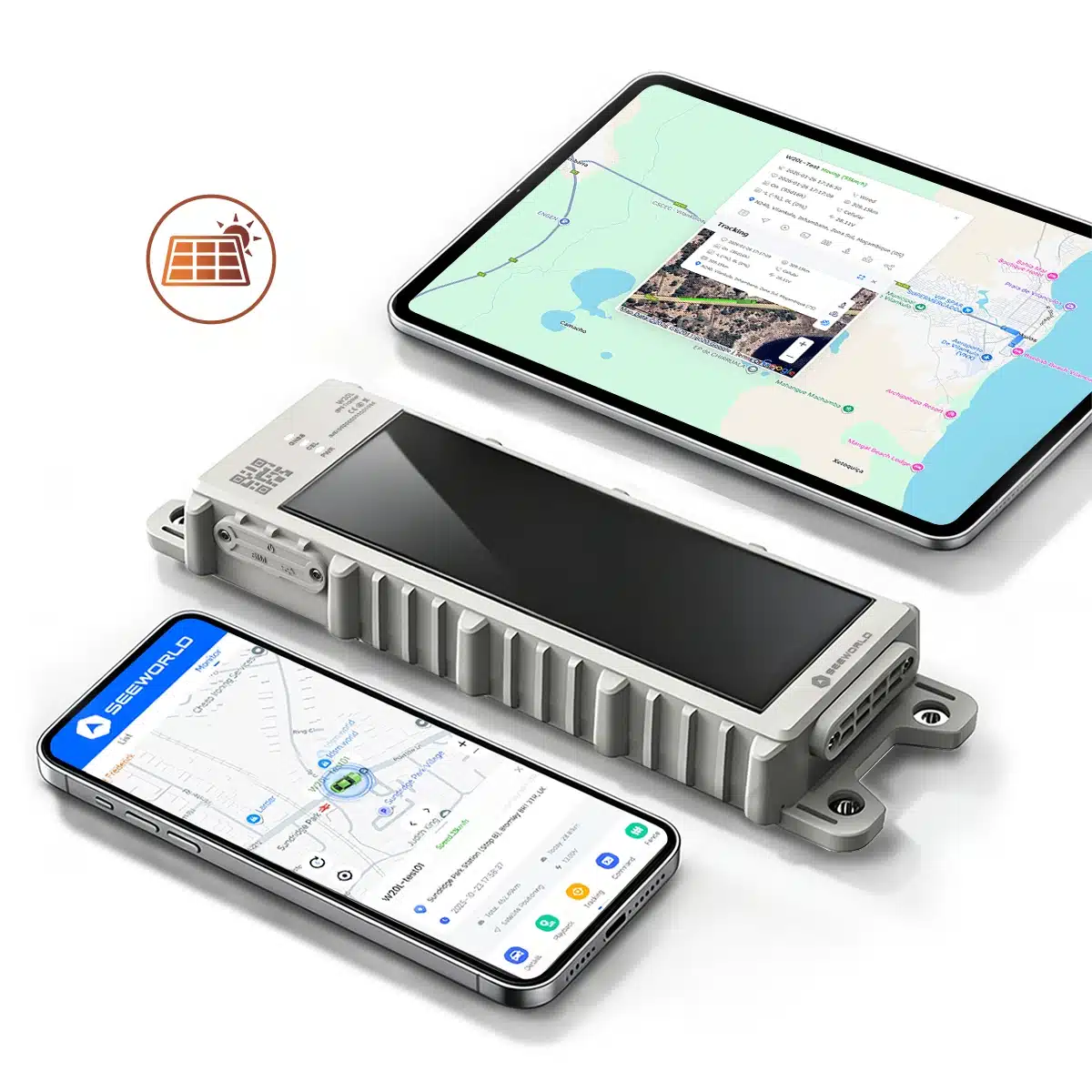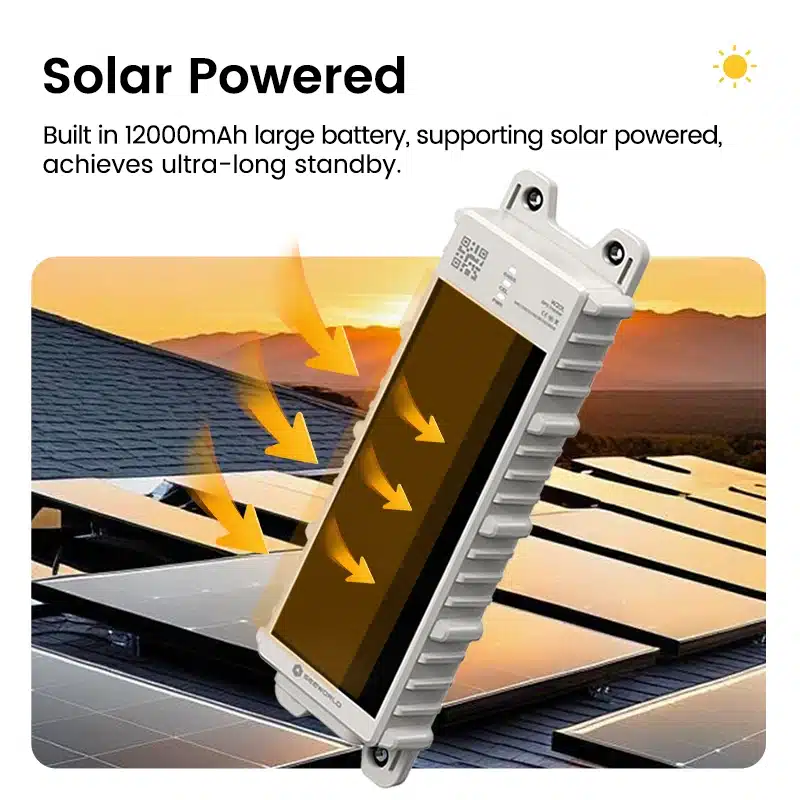
Solar-powered GPS trackers combine advanced satellite tracking with renewable solar energy to deliver continuous, reliable location monitoring without frequent battery replacements. These devices are increasingly adopted in logistics, fleet management, wildlife tracking, and industrial asset monitoring. This guide provides an in-depth overview of their technology, applications, efficiency factors, and future trends, including practical solutions like the W20L Solar Powered Satellite Communication Tracker.
Key Takeaways
-
Solar GPS trackers reduce downtime by extending battery life using renewable energy.
-
Multiple technology types exist: battery-assisted solar, fully solar-powered, and hybrid models.
-
Ideal for fleet management, asset monitoring, wildlife tracking, and remote operations.
-
Lifespan and efficiency depend on solar panel quality, battery type, environmental factors, and device usage.
-
Emerging trends include AI-assisted energy optimization, hybrid communication modules, and miniaturized solar panels.
1. Introduction to Solar-Powered GPS Trackers
Solar powered GPS trackers are devices that use solar energy to continuously charge their internal battery while providing real-time location tracking. Unlike conventional GPS trackers that rely solely on lithium-ion or lead-acid batteries, solar GPS devices harness sunlight, improving device autonomy and reducing maintenance costs.
Key Advantages:
-
Extended battery life through solar charging
-
Reduced operational costs
-
Environmentally friendly alternative to conventional GPS devices
-
Enhanced reliability in remote or off-grid locations
For a detailed guide on solar GPS technology, visit Solar Power GPS Tracker Guide.
2. How Solar GPS Trackers Work
Step-by-Step Working Principle
-
Signal Acquisition
-
The GPS module receives signals from satellites (GPS, GLONASS, BeiDou) to determine location.
-
-
Energy Harvesting
-
Integrated solar panels convert sunlight into electrical energy, charging the internal battery.
-
-
Data Processing
-
The onboard microcontroller processes location data and prepares it for transmission.
-
-
Communication Transmission
-
Data is sent via cellular networks (2G/4G/5G), LoRa, or satellite communication modules.
-
-
Continuous Monitoring
-
Devices use solar energy to minimize battery depletion, enabling long-term deployment without manual charging.
-
3. Technology Types Comparison
| Feature | Battery-Assisted Solar | Fully Solar-Powered | Hybrid Models |
|---|---|---|---|
| Energy Source | Solar + Battery | Solar only | Solar + Battery + Alternative (e.g., kinetic) |
| Deployment Duration | Medium | Long (depends on sunlight) | Long |
| Typical Use Cases | Fleet, Asset Tracking | Remote Assets, Wildlife | Critical Assets, Industrial Equipment |
| Maintenance | Moderate | Low | Low |
| Cost | Moderate | Higher | High |
Highlight: Battery-assisted solar models are common in urban environments, while fully solar-powered devices excel in remote, high-sunlight areas.
4. Lifespan and Efficiency Factors
Key Factors Affecting Performance
-
Solar Panel Efficiency
-
Monocrystalline panels provide higher energy conversion than polycrystalline options.
-
-
Battery Type
-
Lithium-ion batteries offer higher energy density and longer cycles than lead-acid batteries.
-
-
Environmental Conditions
-
Shading, temperature extremes, and weather reduce solar output.
-
-
Device Usage Pattern
-
Frequent GPS updates or high transmission rates drain batteries faster.
-
-
Maintenance Practices
-
Keeping panels clean and monitoring system health ensures optimal lifespan.
-
5. Application Scenarios
Solar GPS trackers are versatile tools across multiple industries:
-
Fleet Management: Real-time tracking reduces fuel consumption, ensures route optimization, and enhances security.
-
Asset Monitoring: Heavy machinery, containers, and construction equipment benefit from solar GPS devices that reduce manual charging.
-
Wildlife and Environmental Research: Solar-powered trackers enable long-term monitoring of animals or environmental sensors in remote areas.
-
Maritime & Off-Grid Operations: Continuous operation in sunlight-rich environments minimizes logistical challenges.
6. Recommended Solution: W20L Solar Tracker
For enterprises seeking reliable solar GPS tracking, the W20L Solar Powered Satellite Communication Tracker offers a practical solution:
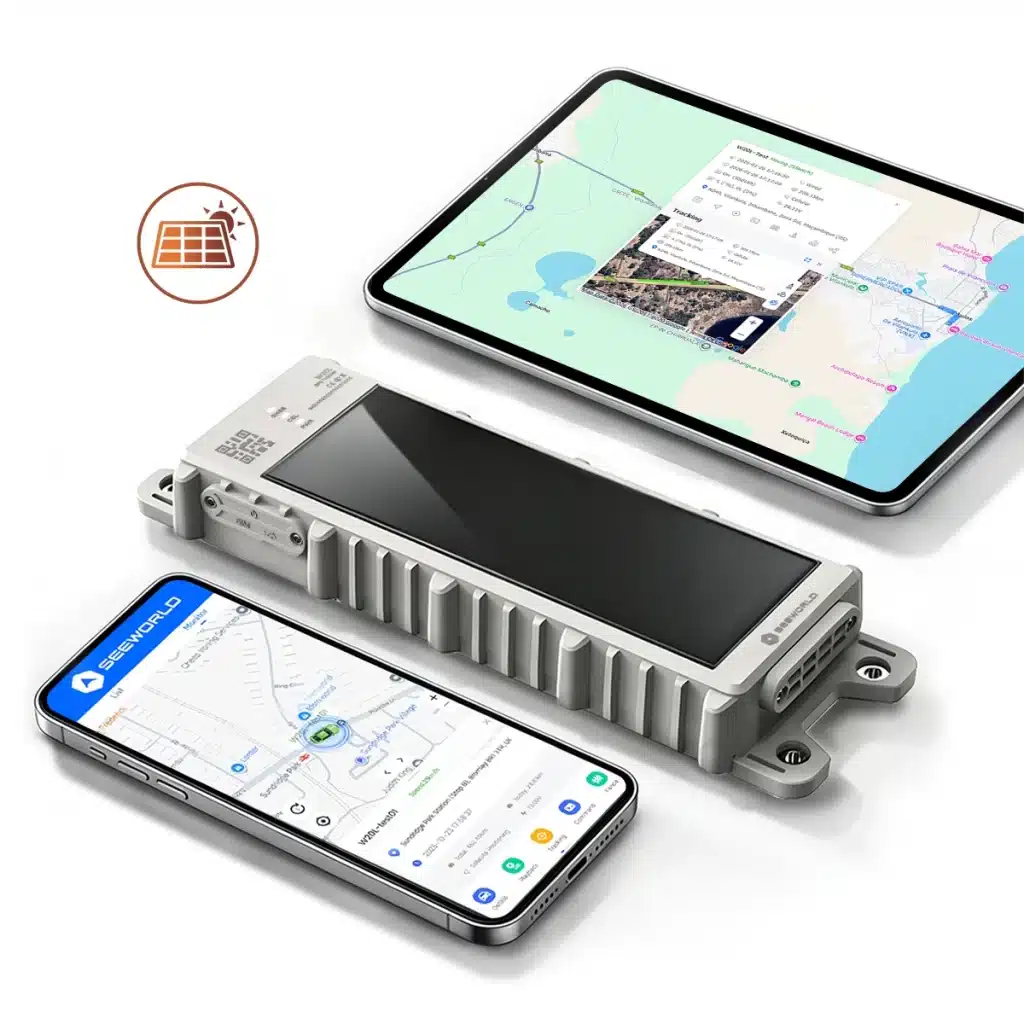
W20L solar-powered GPS tracker
-
Continuous Power Supply: Integrates high-efficiency solar panels with a lithium-ion battery for uninterrupted operation.
-
Versatile Communication: Supports satellite communication, ensuring connectivity in remote areas.
-
Durability: Weather-resistant design suitable for harsh outdoor environments.
Solar-powered trackers like W20L demonstrate how solar energy addresses real-world challenges: eliminating frequent battery swaps, reducing operational costs, and maintaining asset monitoring in off-grid locations.
7. Future Trends in Solar GPS Technology
-
AI-Powered Energy Management
-
Smart algorithms optimize energy usage, extending device autonomy.
-
-
Hybrid Solar + Alternative Energy Sources
-
Combining solar with kinetic or thermal energy increases resilience.
-
-
Miniaturization of Solar Panels
-
Smaller, flexible panels allow wearable and microtracking applications.
-
-
Integration with IoT and Smart Systems
-
Solar GPS devices increasingly interface with cloud analytics for predictive maintenance and fleet optimization.
-