Key Takeaways
- Tile and AirTag are Bluetooth item finders, not true pet tracking devices.
- A Tile on a dog collar can help only within short range or in dense urban areas.
- Bluetooth tags depend on nearby phones, while GPS trackers depend on satellites and cellular networks.
- Most dogs go missing outdoors, where Bluetooth trackers perform worst.
- GPS pet trackers provide live location, escape alerts, and geofencing.
- Bluetooth tags can be a secondary indoor backup, but not a primary safety tool.
- Device design and safety matter: pet trackers are built for mud, water, impact, and chewing.
Why So Many Dog Owners Try Tile First
Search online and you’ll quickly find people asking:
- “Can I use Tile for dog tracking?”
- “Is a dog tracking Tile good enough?”
- “Can I attach a Tile for dog collar use?”
The confusion comes from one word: tracker.
Both Tile and GPS devices say they “track,” but they solve very different problems.
| Device | Designed to Find | Real Use Case |
|---|---|---|
| Tile / AirTag | Lost keys, bags, wallets | Indoor, short-range item recovery |
| GPS Pet Tracker | Moving animals outdoors | Real-time pet recovery |
Understanding this difference changes everything.
How Tile and AirTag Work (And Why That’s a Problem for Dogs)
Tile and AirTag use Bluetooth signals, not GPS.
They update location only when:
- Your phone is within Bluetooth range (10–100 meters), or
- Someone nearby has the Tile app or an Apple device
If your dog runs into a park, trail, field, or quiet suburb, there may be no compatible phones nearby.
That means no updates.
Bluetooth vs GPS: Technical Difference
| Feature | Tile / AirTag | GPS Pet Tracker |
|---|---|---|
| Position source | Nearby smartphones | GPS satellites |
| Range | Very short | Unlimited (nationwide) |
| Live movement tracking | ❌ | ✅ |
| Works in woods / trails | ❌ | ✅ |
| Escape alerts | ❌ | ✅ |
| Designed for pets | ❌ | ✅ |
This is why using tile to track dog movements outdoors often leads to frustration.
A Real-World “Dog Got Loose” Scenario
Your dog slips out of the yard and runs toward a park.
If you’re using a dog tracking Tile:
- App shows: Last seen at home
- Dog is now 700 meters away
- No Tile users nearby
- No update
If you’re using a GPS tracker:
- You receive an escape alert
- You see live movement on the map
- You follow in real time
This is the moment where Bluetooth and GPS separate completely.
When Does Tile for Dog Tracking Actually Work?
A Tile for dog can work if:
- Your dog is indoors most of the time
- You live in a dense apartment building
- Your dog rarely roams
- You want a way to find a collar inside the house
It becomes unreliable if:
- You walk your dog in parks or trails
- You live in suburbs or rural areas
- Your dog is active or curious
- You need outdoor recovery ability
This is why experts often describe Bluetooth tags as “better than nothing, but not enough.”
Safety Issues Most Articles Don’t Mention
Attaching a Tile on a dog introduces risks:
| Risk | Why It Matters |
|---|---|
| Chewing & swallowing | Small smooth tags can be bitten off |
| Snagging | Can catch on fences or branches |
| Water & mud exposure | Not built for pet environments |
| Weak mounts | Designed for keys, not collars |
Pet GPS trackers are built with:
- Waterproof housing
- Shock resistance
- Reinforced collar mounts
- Pet-safe materials
Why GPS Pet Trackers Are Built for This Exact Situation
Modern pet GPS trackers combine:
- GPS satellites for exact positioning
- 4G connectivity for live updates
- Geofencing and escape alerts
- Activity and health monitoring
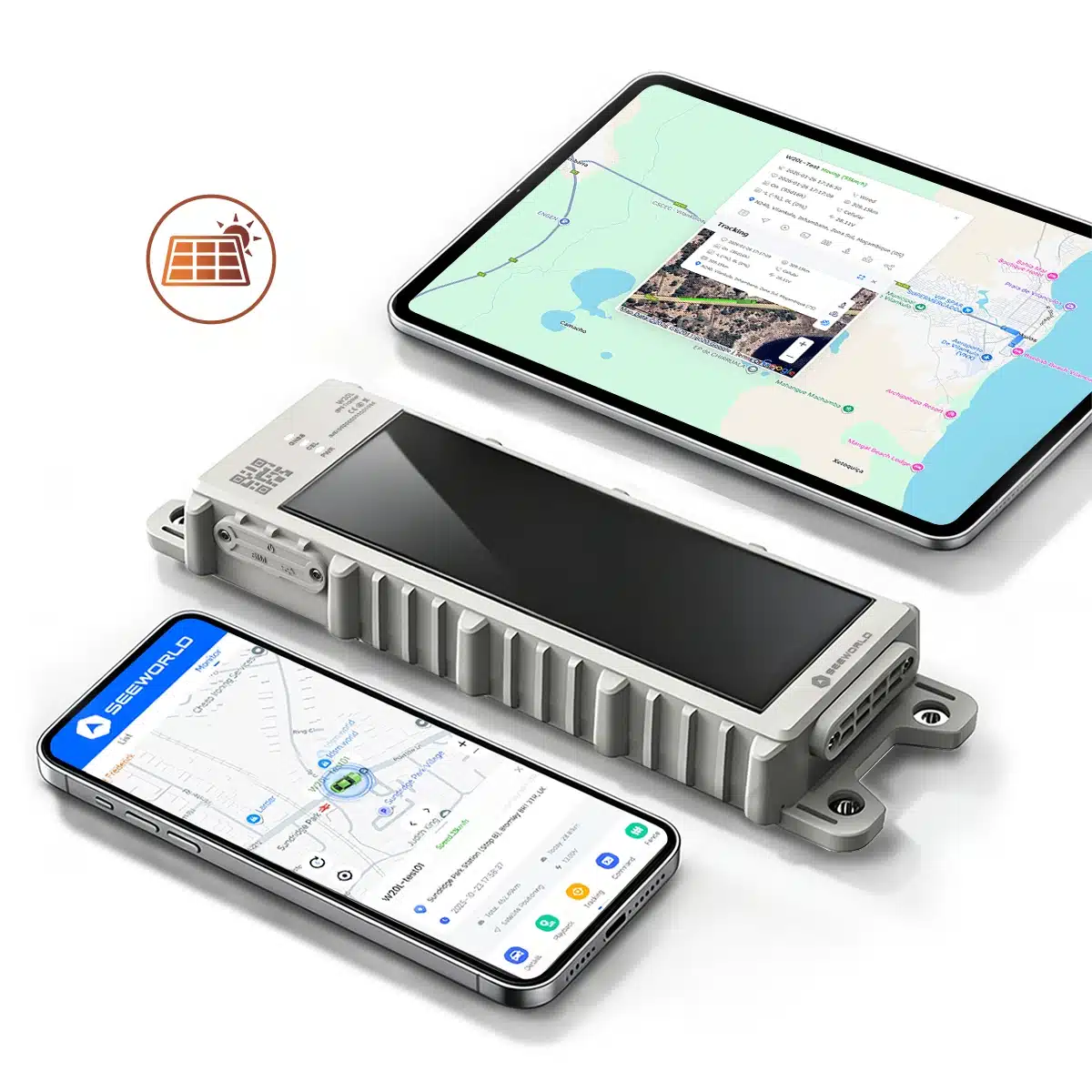
Devices such as the P2 smart GPS tracker for cats and dogs with advanced health monitoring or a P5 4G pet GPS tracker for dogs are designed around outdoor safety, not indoor proximity.
They answer the question:
“Where is my dog right now?” — not “Where are my keys?”
Environment Determines Whether Bluetooth Fails
| Environment | Tile / AirTag | GPS Tracker |
|---|---|---|
| Apartment | Good | Excellent |
| City street | Moderate | Excellent |
| Suburbs | Poor | Excellent |
| Park / trail | Very poor | Excellent |
| Beach / countryside | Fails | Excellent |
Most dogs are lost outside, where Bluetooth struggles the most.
Cold weather and low visibility make this even more dangerous, which is why preparation is emphasized in this guide to outdoor cat winter care, shelters, and safety tips — the same risks apply to dogs in winter environments.
Bluetooth Tags as a Secondary Layer (Not Primary)
Many pet owners use a layered approach:
- Microchip for identification
- GPS tracker for real-time location
- Optional Bluetooth tag for indoor proximity
This combination provides both identification and tracking.
Modern humane training methods also rely on GPS safety technology instead of shock-based control, focusing on prevention and awareness rather than punishment.
The “Tracker” Marketing Confusion
Both categories use the word tracker, but:
- Tile tracks lost objects
- GPS tracks moving animals
A playful illustration of this appears in this article imagining Zootopia characters using real-world 4G pet GPS trackers, highlighting why animals that move need a different kind of technology than stationary items.
Recommendations by Dog Type
| Dog Type | Best Choice |
|---|---|
| Indoor senior dog | Tile acceptable |
| Apartment dog | Tile as backup, GPS optional |
| Active family dog | GPS essential |
| Hiking / hunting dog | GPS mandatory |
| Escape artist | GPS with geofence alerts |
| Rural / suburban dog | GPS only reliable option |
The Bottom Line
Using dogs Tile solutions is possible, but extremely limited.
Bluetooth trackers find things.
GPS trackers find dogs.
If your goal is true peace of mind when your dog runs farther than expected, only GPS technology is designed for that moment.